
Perry County Court Record Requests
Circuit Court Clerk Joan Hess keeps the official records of Perry Circuit Court. Her office takes in every filing. It also maintains the motions, evidence, rulings, judgments, orders, and decrees in each court file. For public cases, start with Indiana MyCase. Keep in mind that MyCase is only an index and document-access channel. It is not the official court record.
A full request path can run online or in person. It can also run by phone or fax, or by mail. The clerk sits at 2219 Payne Street, Tell City, Indiana 47586. Call 812-547-3741 or fax 812-547-9782. Before mailing anything, confirm the fee and delivery terms with the office. The Indiana judiciary also offers a formal public-record request route.
- Find the cause number and confirm Perry Circuit Court.
- Name the document or event date sought.
- Choose MyCase, the counter, phone, fax, or a written request.
- Ask whether a plain or certified copy is needed.
- Confirm the full copy, certification, and mailing cost.
The county's own page lists just one public terminal, and it covers tax warrants only. Before you count on that terminal for a Perry County court docket, ask the clerk whether case files can be inspected on site. IEFS handles electronic filing; it does not let the public view documents.
Perry Court Requests Without Guesswork
A solid Perry County court record request spells out the basics. Name the court and the cause number. Include the document title and the filing or event date. Add the party name, the copy type you want, your delivery choice, and your contact details. No cause number? Say so plainly. Then give enough name and date detail to set the matter apart from others. Clerk staff will supply records and explain the process. Legal advice, though, is off the table.
Quick request check: Ask for a current total before mailing payment because page count, certification, postage, or another statutory charge may affect it.
Sometimes MyCase alone does not surface a public record. The Indiana judiciary request instructions lay out the formal fallback for exactly that situation. It beats firing off a vague note to some unrelated county office.
The request source drives the point home. Identify the case and name the exact record before any talk of payment or delivery.
Kinds of Court Records
A Perry County court docket entry is just the summary. The full case file holds far more. The clerk keeps complaints and initial pleadings, along with later motions and papers. You may also find evidence, rulings, judgments, orders, decrees, certified filed documents, and foreign judgments in a county court record. These materials span civil, criminal, small claims, probate, and juvenile cases. Traffic and protection-order files sit there too. Access limits apply to some case types.
- Chronological case summaries and docket entries
- Complaints, petitions, answers, motions, and affidavits
- Hearing notices, orders, judgments, and decrees
- Eligible exhibits, evidence records, and filed attachments
- Certified copies and preserved historical court material
The Perry County government source is a starting point for current county office information.
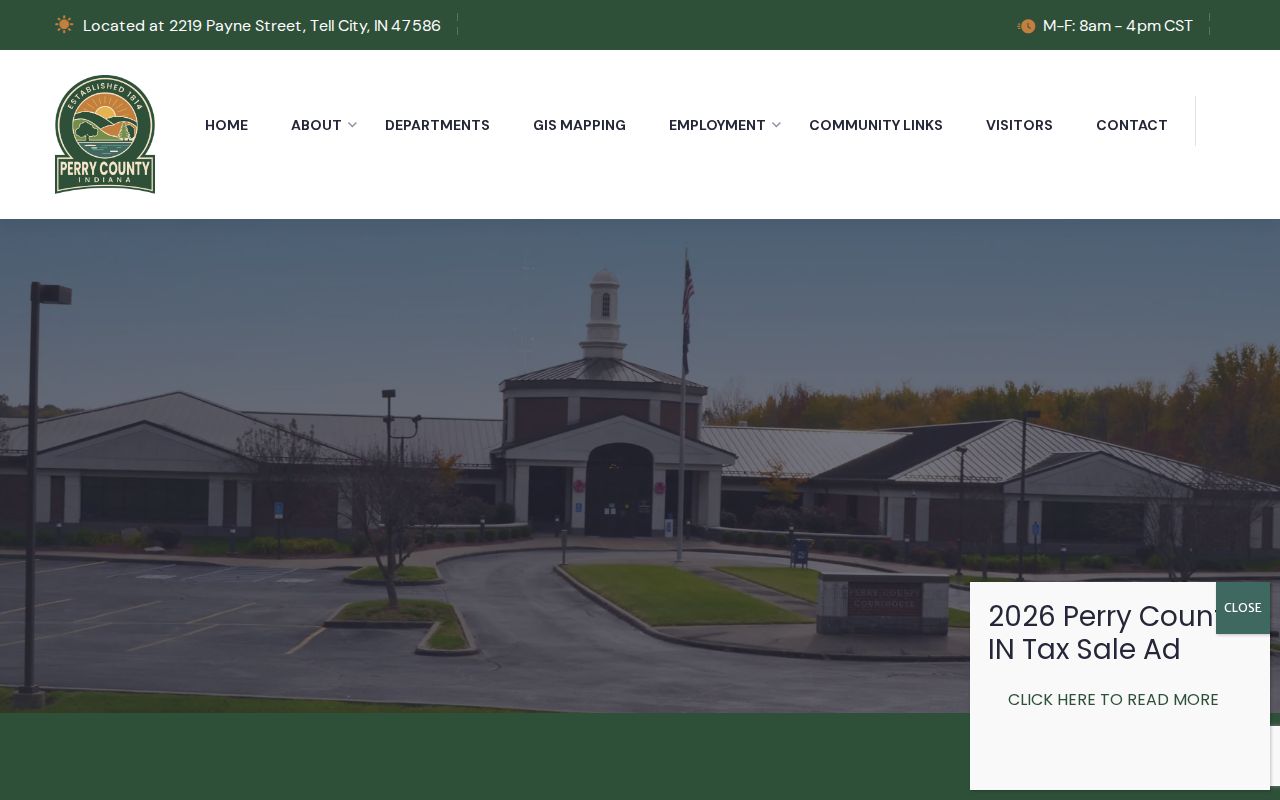
Why does county contact information matter here? Because the Perry County Circuit Court Clerk, not a separate superior-court clerk, holds the active county court file for your case lookup.
Perry Court Archives Beyond MyCase
An older document can exist even if a docket search never shows it. MyCase itself warns that older documents may not yet be available, and that public document access varies by case type. Start by confirming the cause number and its access category. Then ask the Perry clerk whether the material still sits at the courthouse, was microfilmed, or moved to an archival collection. The Indiana Archives clerk directory routes historical court research to the right county office.
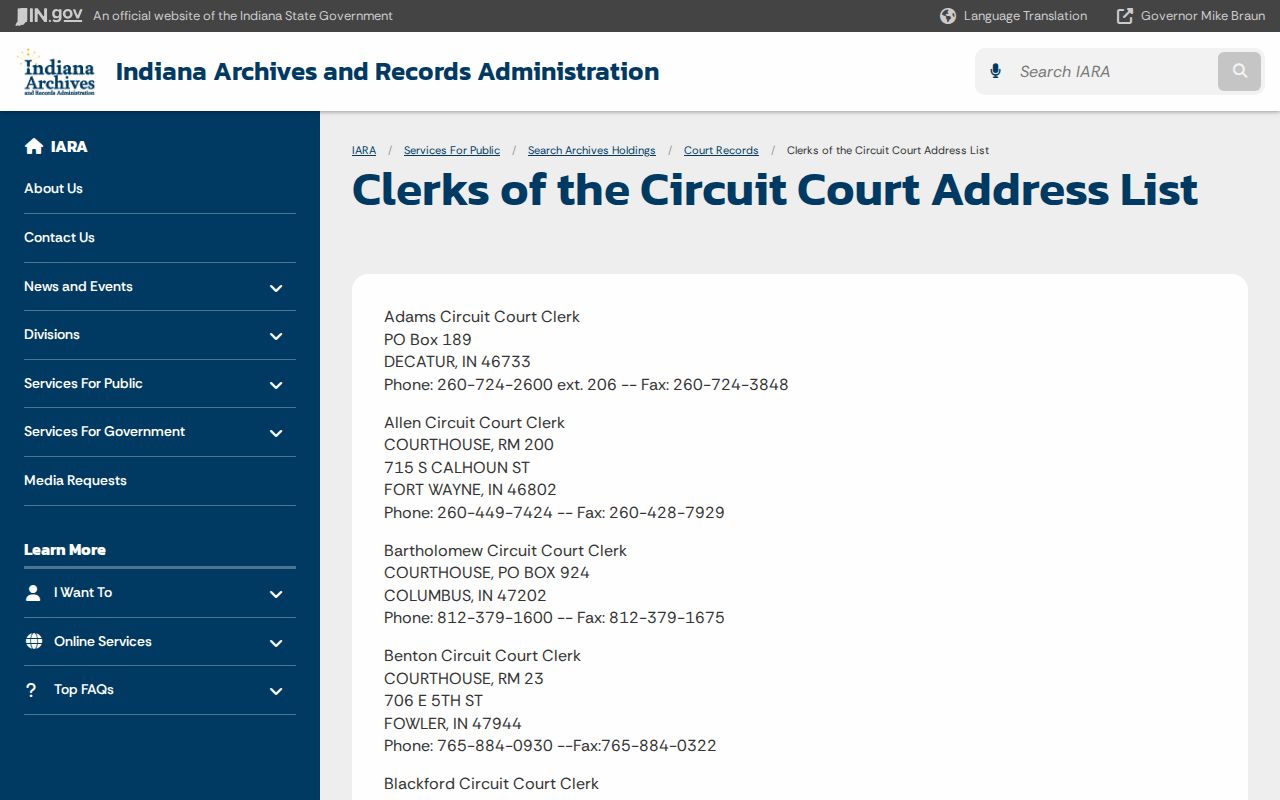
Think of the directory as a map, not proof. It points you toward likely holders of an old Perry County court record, but it cannot confirm where any single document sits.
For deeper historical background on Perry County court records, the Indiana State Library guide covers genealogy leads and where archived materials tend to live.
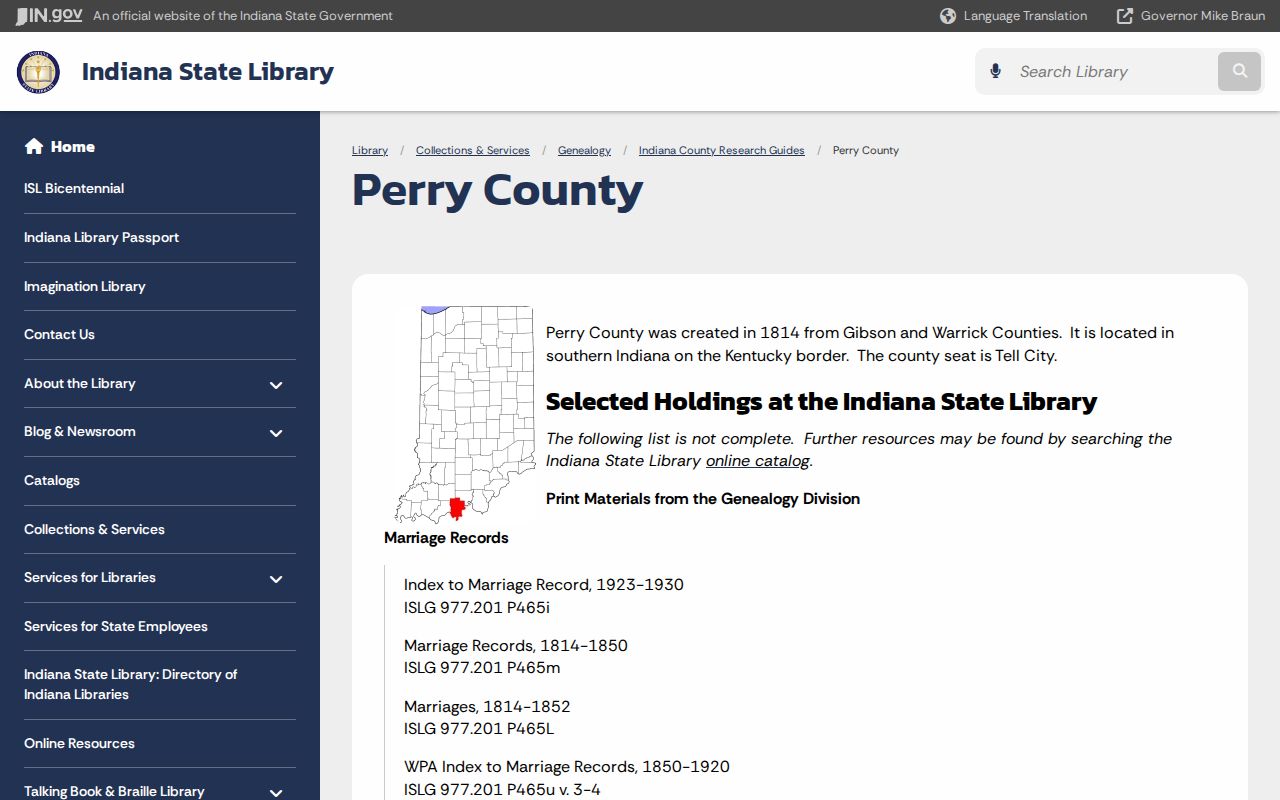
For older or spotty files, the clerk, the archives, and the library each carry a piece of the Perry County court docket. Chained together, they cover records that MyCase cannot reach.
Court Records: What They Contain
Every Perry County court record follows a pattern. The cause number opens with 62C01. That prefix marks the case as belonging to Perry Circuit Court. After that come the year and month, a code for the case type, and a six-digit sequence. The entries then run in date order. Filings, hearings, orders, and dispositions read as one timeline.
| Cause Number | 62C01-YYMM-XX-###### identifies court, filing period, type, and sequence. |
|---|---|
| Parties | Names and roles shown for the public case. |
| Filings | Pleadings, motions, petitions, answers, and affidavits. |
| Events | Hearings, case activity, judgments, sentencing, or disposition entries. |
| Orders | Signed rulings, judgments, or decrees when public. |
A status label alone tells you little. "Disposed" means the case or charge ended, but only the linked order says how it ended.
Forms Map Perry Court Files
Forms shape what ends up in a court record. A small-claims complaint may list the cause number, the parties, addresses, the claim amount, the service choice, hearing data, and affidavit statements. Other filings create other entries. A dismissal request, a release of judgment, an estate claim, or a child-support change form each adds its own documents to the file.
So forms double as docket maps. A reader who knows the paper was a release of judgment can ask for that exact item rather than a vague "whole file." Precise names also help the clerk. They can tell a filed document apart from a docket event or a payment record. For current form versions and case-specific instructions, check with the clerk.
Perry Court Copy Fees
Need a copy of a Perry County court record? Start with what kind you need. A plain copy just reproduces the public document, while a certified copy carries the clerk's certification and seal for uses that demand an authenticated version. Neither one lifts a seal, a confidentiality rule, or a redaction. Access gets decided first.
| Item | Reference Amount |
|---|---|
| Plain legal or letter page | $1 per page |
| Certificate under seal | $3 |
| Transcript judgment lien | $3 |
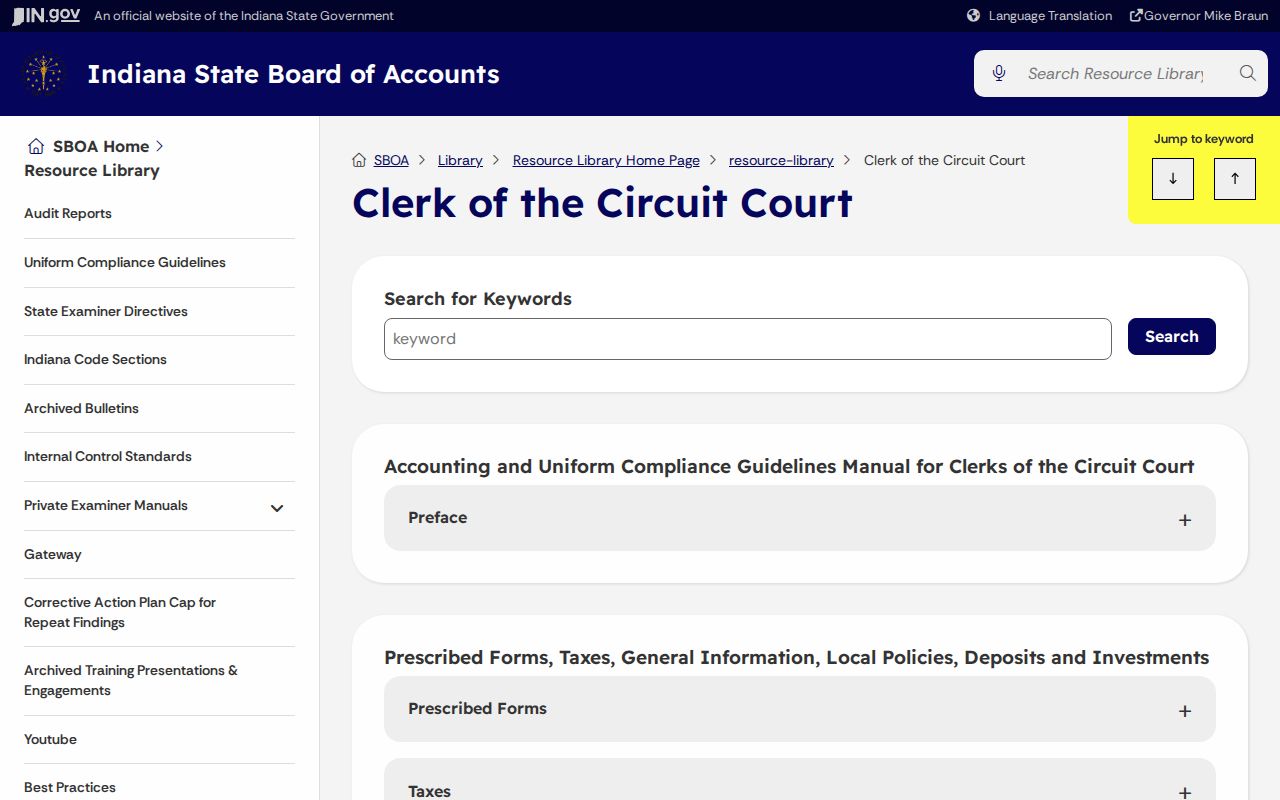
Indiana sets these copy fees by statute. The statewide references here come from the SBOA clerk-fee source, and the current fee table there governs what a clerk may charge.
Ask the Perry County clerk to total the bill when a request spans several pages, needs postage, or adds another authorized charge. That way the figure reflects the actual order.
Perry Bulk Records Use Another Lane
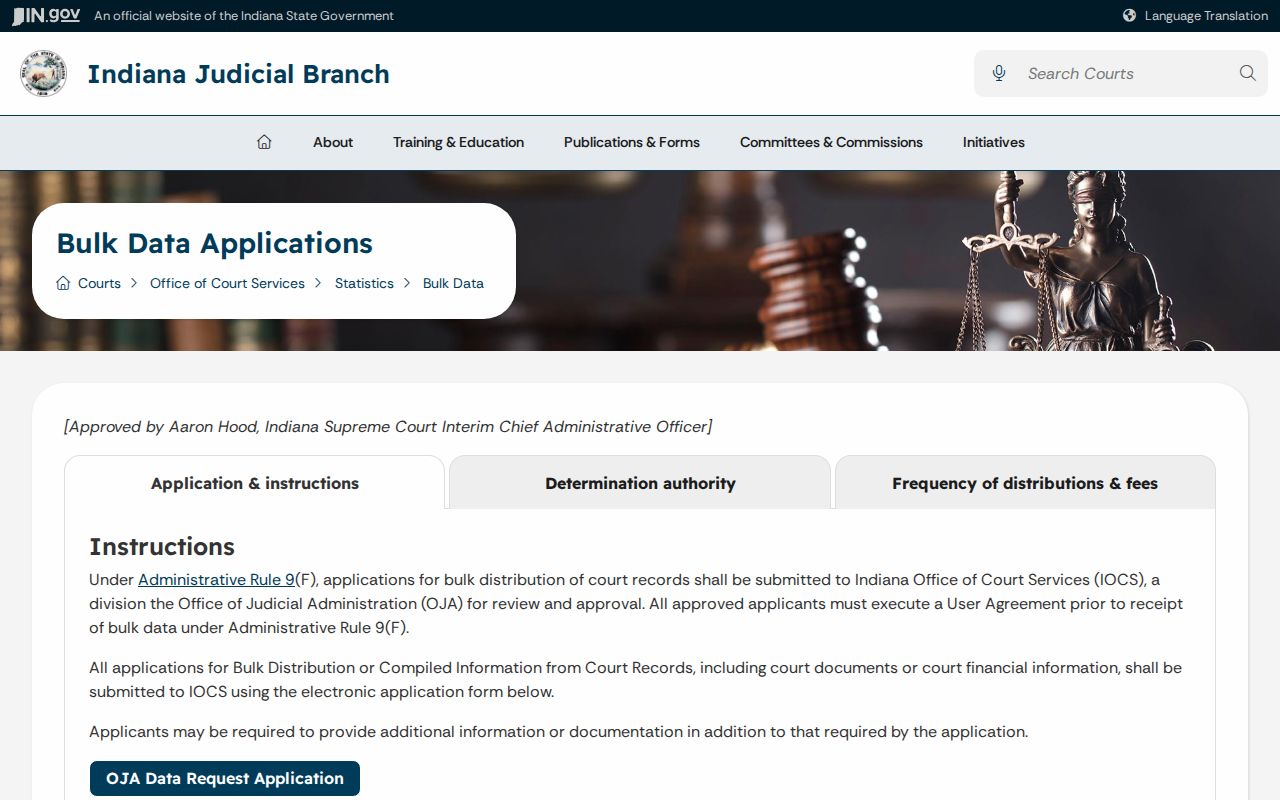
A single Perry County case record starts in MyCase or with a clerk request. A whole compiled dataset takes a different lane. The Office of Judicial Administration handles it under Administrative Rule 9(F). Expect an application, approval, and a user agreement. Format and price then turn on the delivery choice. That choice may be a file drop, messaging, or a one-time compilation.
The Indiana bulk-data page walks through that route. It also lists courtdatarequests@courts.in.gov and 317-232-1313 for the Office of Court Services.
Bulk data never turns confidential Perry County court records public.
Copy Fees and Certification
Know what the recipient truly needs before you order. A plain copy suits a personal reference file, while a filing or formal transaction may call for certification. Ask rather than guess. Then tell the clerk the exact document, how many copies, and whether each must bear certification.
The county posts no set turnaround time. So call ahead if timing matters. Ask too about payment method and pickup or mailing. In-person payments take cash, money order, and local checks under county instructions, though a record-copy request may carry its own details.
Access Rules for Court Records
Indiana Administrative Rule 9 sets the access framework: public access, electronic access, courthouse access, calendars, and bulk data. Confidential, sealed, excluded, protected, redacted, juvenile, and mental-health material all appear on the Access Rule 5 list. Indiana Code 5-14-3 adds general public-record concepts. But in practice the judiciary rules govern court-record access.
Key access rules:
Indiana Administrative Rule 9 controls ordinary, remote, courthouse, and bulk access to court records.
Indiana Access Rule 5 defines major confidential, sealed, excluded, and redacted categories.
Indiana Code 5-14-3 provides the state public-record framework alongside court access rules.
Missing online does not mean sealed. A record absent from the docket search may still be open in person. For excluded material, Access Rule 9 can require a verified written request, notice, a hearing, and a written order. Neither e-filing nor a bulk request overrides those safeguards.